


Your shopping cart is empty!


Protective Leather Jackets For Motorcycle Riders
Jul
12,
2023
0 Comments
Introduction
Riding a motorbike provides a rush that a risk, thus safety equipment is a necessity in every rider's toolkit. Among the various gear options available, leather jackets stand out as a popular choice for motorcycle riders. These jackets not only offer a stylish and timeless appeal but also provide crucial protection against potential injuries.
In this thorough manual, we'll look at the world of protective leather jackets for motorcycle riders. We'll delve into the importance of wearing protective gear, focusing on the role that leather jackets play in reducing the risks associated with motorcycle riding.
To accommodate varying riding preferences and styles, we'll explore various types of protective leather jackets available in the market. From classic motorcycle jackets to racing-oriented designs, adventure and touring options, as well as vintage-inspired styles, we'll uncover the distinctive features and benefits of each.
Prioritising safety is crucial when it comes to motorcycle gear, so we'll dive into the essential safety features that make protective leather jackets reliable shields against potential hazards. We'll discuss the importance of durable and abrasion-resistant leather materials, CE-certified armor, reinforced stitching, ventilation systems, and reflective elements for enhanced visibility.
For optimal protection and comfort, finding the proper fit and size is essential. We'll offer advice on how to size, fit, and customize your leather jacket in order to do this.
I. Importance of Protective Gear for Motorcycle Riders
Motorcycle riding comes with inherent risks and hazards that can lead to serious injuries. Understanding these risks and the importance of protective gear is crucial for every rider's safety.
Understanding the risks and hazards of motorcycle riding
Motorcycle riding exposes riders to various risks, including accidents, collisions, and road hazards. The lack of external protection and the higher vulnerability compared to enclosed vehicles make riders more susceptible to severe injuries.
The role of protective gear in reducing injuries
In the event of an accident or fall, protective equipment is essential for minimizing the degree of injuries. It serves as a shield between the body of the rider and the elements, providing defence against abrasions, impacts, and road rash. The danger of fractures, lacerations, and other traumatic injuries is reduced thanks to protective gear's ability to absorb and dissipate crash forces. Wearing the right gear significantly increases the chances of walking away from an accident with fewer injuries.
Why leather jackets are a popular choice for motorcycle riders
Motorcycle riders have always preferred leather jackets because of its blend of fashion, toughness, and protection. The innate abrasion resistance and durability of leather make it the perfect material for securing the upper body of the rider. Leather jackets not only offer a timeless and iconic look but also provide an extra layer of protection against road rash and impact injuries. Moreover, leather jackets offer excellent wind resistance, helping to keep riders warm during rides.
Key features to look for in a protective leather jacket
When selecting a protective leather jacket, several key features should be considered. The jacket must, first and foremost, be made of thick, premium leather with the highest level of abrasion resistance. Look for jackets with reinforced stitching and impact-absorbing armor in critical areas like the shoulders, elbows, and back. Proper fit and adjust ability are essential to ensure the jacket sits snugly on the rider's body. Ventilation systems and removable liners are also desirable features, allowing riders to adapt to different weather conditions. Additionally, jackets with reflective elements improve visibility during nighttime or low-light riding situations.
Understanding the risks of motorcycle riding and the importance of protective gear is paramount to rider safety. Leather jackets, with their combination of style and protective qualities, offer a popular choice for riders. By selecting a leather jacket with key features tailored for safety, riders can enjoy the thrill of riding while minimizing the potential risks and injuries associated with motorcycle accidents.
II. Types of Protective Leather Jackets
Protective leather jackets for motorcycle riders come in various styles, each tailored to meet specific needs and preferences. Let's explore the different types of protective leather jackets available:
Classic motorcycle jackets: Design and features
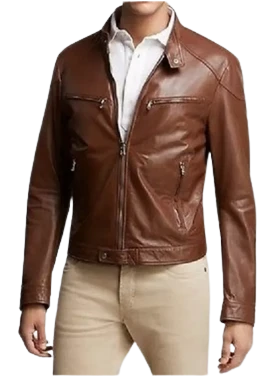
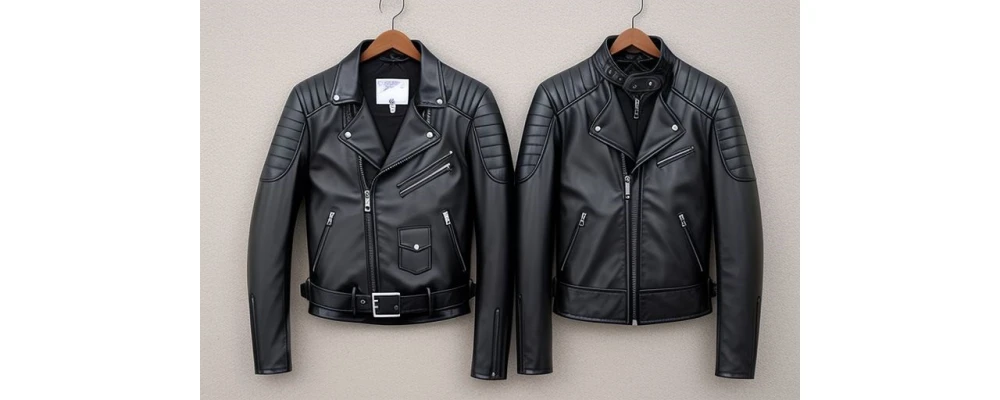
Classic motorcycle jackets are the epitome of timeless style and functionality. They typically feature a rugged design with a cropped length, asymmetrical zipper closure, and wide lapels. These jackets often incorporate traditional elements like snap buttons, multiple pockets, and adjustable waist belts. Classic motorcycle jackets prioritize durability and protection, with sturdy leather construction, reinforced stitching, and impact-absorbing armor. They offer excellent abrasion resistance and provide a sense of rebellion and authenticity that resonates with riders seeking a vintage-inspired look.
Racing and sport-oriented jackets: Enhanced protection and aerodynamics
Designed for high-performance riding, racing and sport-oriented jackets combine style with advanced protective features. These jackets feature a sleek and streamlined design that enhances aerodynamics and minimizes wind resistance. They often incorporate race-inspired elements such as per-curved sleeves, stretch panels, and perforated leather for improved mobility and airflow. Racing jackets prioritize impact protection with strategically placed armor in areas prone to impact. They offer a snug and athletic fit, allowing riders to maintain a dynamic riding posture without sacrificing safety or comfort.
Adventure and touring jackets: Versatile options for long-distance rides
While offering all-day comfort and protection, adventure and touring jackets are made to resist the rigors of long distance rides. These jackets typically have a more relaxed fit and feature functional elements like multiple pockets, ventilation panels, and removable thermal liners. They offer a balance between protection and versatility, with abrasion-resistant leather, reinforced impact zones, and a focus on weather resistance. Adventure and touring jackets often include adjustable features such as waist belts, collar closures, and wrist straps to ensure a customizable fit for riders embarking on extended journeys.
Vintage and retro-inspired jackets: Style meets protection
For riders who appreciate a touch of nostalgia, vintage and retro-inspired jackets offer a unique blend of style and protection. These jackets draw inspiration from classic motorcycle apparel, featuring design elements like a slim silhouette, round collars, and intricate detailing. While prioritizing style, they still offer adequate protection with high-quality leather construction, reinforced stitching, and armor inserts. Vintage and retro-inspired jackets capture the essence of the golden era of motorcycling and provide riders with a distinct and fashionable look.
By understanding the different types of protective leather jackets available, riders can select the style that best aligns with their riding preferences, aesthetic choices, and desired level of protection. Every rider may choose a protective leather jacket to meet their preferences and needs, whether they want the traditional appearance of a classic motorcycle jacket, the high-performance qualities of a racing jacket, the practicality of an adventure jacket or the retro appeal of a jacket with retro styling.
III. Essential Safety Features
When it comes to protective leather jackets for motorcycle riders, several key safety features contribute to their effectiveness in providing protection and enhancing rider safety. Let's explore these essential safety features in detail:
Durable and abrasion-resistant leather materials
One of the fundamental aspects of a protective leather jacket is the choice of materials. The resilience and abrasion resistance of premium leather, such as full-grain or top-grain cowhide, are exceptional. In the case of a slide or crash, these materials are intended to endure friction and shield the rider's skin from harm. The thickness and quality of the leather play a crucial role in determining its protective capabilities, making it essential to choose a jacket crafted from sturdy and resilient leather.
CE-certified armor and impact protection
Another critical safety feature is the inclusion of CE-certified armor and impact protection. Armor inserts are typically placed in key areas like the shoulders, elbows, and back to absorb and distribute the impact forces generated during a crash. CE certification ensures that the armor meets rigorous safety standards. These armor inserts are made from materials like impact-resistant polymers or energy-absorbing foam, offering enhanced protection against fractures and impact injuries. The armor should be securely fitted within the jacket to ensure proper coverage and stability.
Reinforced stitching and construction for durability
The construction and stitching of a protective leather jacket significantly contribute to its durability and ability to withstand the forces of an impact or slide. Reinforced stitching, such as double or triple stitching, is crucial in high-stress areas to prevent seams from tearing apart upon impact. Additionally, leather jackets designed for motorcycle riders often feature added layers or panels in critical zones, like the shoulders and elbows, to provide extra reinforcement and protection. Attention to detail in construction ensures that the jacket maintains its integrity during an accident, minimizing the risk of seam failure or material separation.
Ventilation systems for breathability and comfort
Motorcycle rides can be physically demanding, especially during warmer weather. Proper ventilation in a protective leather jacket is essential to maintain comfort and prevent overheating. Many jackets feature ventilation systems such as perforated panels, zippered vents, or mesh liners strategically placed in areas prone to heat buildup, such as the chest, back, or underarms. These ventilation systems allow for improved airflow, helping to regulate body temperature and keep riders cool and comfortable, even during extended rides in hot conditions.
Reflective elements for visibility in low-light conditions
Visibility is a crucial aspect of rider safety, especially during low-light conditions or night riding. Many protective leather jackets incorporate reflective elements, such as piping, panels, or logos, to enhance visibility to other road users. These reflective elements reflect light from sources like headlights, making the rider more visible and lowering the possibility of accidents brought on by poor visibility. Having these reflective elements on the jacket increases the rider's presence on the road, improving overall safety.
By understanding and prioritizing these essential safety features, riders can make informed decisions when selecting a protective leather jacket. A combination of durable and abrasion-resistant materials, CE-certified armor, reinforced stitching, proper ventilation, and reflective elements ensures that the jacket offers optimal protection while enhancing comfort and visibility. Investing in a jacket with these safety features provides riders with peace of mind, allowing them to focus on enjoying the ride while staying protected.
IV. Finding the Right Fit and Size
Finding the right fit and size is essential when it comes to protective leather jackets for motorcycle riders. Maximum comfort and protection are ensured with a perfect fit. while riding. Let's explore the key aspects of finding the right fit and size:
Importance of a proper fit for maximum protection
Achieving a proper fit is crucial to ensure that a leather jacket provides optimal protection in the event of an accident or fall. A jacket that is too loose or ill-fitting may compromise its ability to stay in place during impact, reducing the effectiveness of the armor and exposing vulnerable areas. On the other hand, a jacket that is too tight can restrict movement and hinder comfort, affecting the rider's ability to maneuver the motorcycle. A proper fit allows the armor to be positioned correctly on the body and ensures that the jacket stays in place, providing the intended protection.
Measuring and determining the correct size
Measuring yourself accurately is the first step in determining the correct size for a leather jacket. Your chest, waist, and sleeve length should be measured.use a flexible tape measure. For help determining the size range that fits your measurements, refer to the manufacturer's sizing chart. For precise results, it's vital to check to the specific brand's sizing standards because sizing can differ between companies. If you fall between sizes, consider your personal preferences for fit—whether you prefer a snug or slightly looser fit—while considering the jacket's intended use and the layering options you may require.
Trying on and assessing the fit of a leather jacket
Once you have determined the appropriate size, it's essential to try on the leather jacket to assess the fit accurately. Start by ensuring that the jacket feels snug but not overly tight, allowing for freedom of movement and layering options. Pay attention to the fit around the shoulders, chest, and arms, as these areas should provide a comfortable range of motion. Check that the jacket's length and collar placement align well with your body proportions. Additionally, bend your arms and simulate riding positions to ensure that the jacket doesn't restrict your movements. Assessing the fit while wearing appropriate riding gear, such as a helmet or armor, will give you a more realistic idea of how the jacket will feel while riding.
Adjustments and customization options
While it's ideal to find a leather jacket that fits well off the rack, some adjustments and customization options are available to fine-tune the fit. Many jackets offer adjustable features such as waist belts, collar closures, and wrist straps, allowing riders to customize the fit to their preferences. Additionally, professional tailoring services may be able to make minor alterations to the jacket if needed. However, it's important to note that extensive alterations may affect the jacket's integrity and protective properties, so it's best to choose a jacket that fits well from the start.
By understanding the importance of a proper fit, accurately measuring yourself, trying on the jacket for assessment, and considering customization options, riders can find a protective leather jacket that offers the optimal balance of protection and comfort. A well-fitted jacket ensures that the armor stays in the right position, providing maximum protection while allowing riders to enjoy a comfortable and unrestricted riding experience.
V. Care and Maintenance of Leather Jackets
Proper care and maintenance are essential to preserve the quality and longevity of leather jackets. By following a few simple guidelines, riders can ensure that their protective leather jackets remain in excellent condition. Let's explore the key aspects of caring for and maintaining leather jackets:
Cleaning and conditioning leather jackets
Regular cleaning and conditioning help to keep leather jackets in optimal condition. Wipe gently with a gentle, wet cloth. away any surface dirt or dust. Avoid using corrosive cleaners or harsh chemicals that could harm the leather. Periodically, apply a leather conditioner specifically formulated for motorcycle gear to replenish moisture and prevent the leather from drying out or cracking. Conditioning also helps maintain the jacket's suppleness and enhances its natural resistance to water.
Storage and handling to maintain the jacket's quality
Proper storage and handling are crucial to protect the quality of leather jackets when they're not being used. Keep the jacket out of the sun and away from heat sources by storing it in a cool, dry location. as excessive heat can cause the leather to dry out and become brittle. Avoid hanging the jacket on sharp hooks or wire hangers that can leave impressions or distort the shape. Instead, opt for broad-shouldered or padded hangers to maintain the jacket's shape. If the jacket becomes wet, allow it to air dry naturally away from direct heat, and avoid using a hairdryer or heater, as a result of which the leather could contract or distort.
Dealing with stains, scuffs, and scratches
Despite proper care, leather jackets may encounter stains, scuffs, or scratches. For surface-level stains, use a soft, damp cloth or a leather cleaner specifically designed for removing stains. Gently blot the affected area, avoiding excessive rubbing. For scuffs or minor scratches, try using a leather conditioner or specialized leather repair products to minimize their appearance. For more severe damage or deep stains, it's advisable to seek professional assistance from a leather care specialist who can provide targeted solutions and restore the jacket's appearance.
Repair and restoration options for damaged jackets
In the unfortunate event of significant damage to a leather jacket, such as a tear, ripped seam, or substantial stain, professional repair and restoration services may be necessary. Leather care specialists can repair or replace damaged sections, reinforce stitching, and restore the jacket's integrity. It's essential to address damage promptly to prevent further deterioration and maintain the jacket's protective capabilities. Regular inspection and timely repairs can prolong the lifespan of the jacket and ensure its continued effectiveness in providing protection.
By following these care and maintenance practices, riders can extend the lifespan of their leather jackets and preserve their quality and protective properties. A well-maintained leather jacket not only enhances safety but also maintains its aesthetic appeal, allowing riders to enjoy the timeless style and functionality of their protective gear for years to come.
VI.Frequent Questions and Answers
Here are answers to some commonly asked questions regarding protective leather jackets for motorcycle riders:
Are leather jackets waterproof or water-resistant?
Leather jackets are naturally resistant to water, but they are not entirely waterproof. While a leather jacket may handle light wetness or rain, it is best to wear a second waterproof or water-resistant layer over it during heavy downpours to avoid the leather from becoming sopped with water.
Can leather jackets be worn in different weather conditions?
They offer excellent insulation during cooler temperatures, providing warmth and protection against the wind. However, in hot weather, leather jackets may become less breathable, causing discomfort. Opt for jackets with ventilation systems or removable liners to adapt to different weather conditions.
How often should I replace my leather jacket?
A high-quality leather jacket can survive for many years with the right maintenance. To ensure that the jacket continues to be successful in protecting, it may be time to think about changing it if it exhibits signs of severe wear, damage, or a degraded protective layer.
Can leather jackets be altered or tailored?
In general, leather jackets can be altered or tailored, but it's important to exercise caution. Alterations should be performed by a professional who specializes in working with leather. The original design, structure, and protective qualities of the jacket may be compromised by significant adjustments, so it's best to get a jacket that fits comfortably right away.
Are there vegan leather options available for motorcycle riders?
Motorcycle riders who prefer not to utilize materials derived from animals do have vegan leather options.The production of vegan leather, also known as synthetic leather or faux leather, involves the use of a number of synthetic materials, including polyurethane (PU) and polyvinyl chloride (PVC). These alternatives offer similar aesthetics to real leather and can provide adequate protection for riders.
How do I break in a new leather jacket?
Breaking in a new leather jacket involves wearing it regularly to allow the leather to soften and conform to your body over time. Start by wearing the jacket for short periods and gradually increase the duration. Avoid exposing the jacket to excessive heat or applying oils or conditioners excessively, as this can damage the leather. With time and wear, the jacket will mold to your shape, providing a personalized and comfortable fit.
Can leather jackets protect against impact and abrasion?
Yes, leather jackets offer good protection against impact and abrasion. The natural thickness and toughness of leather provide a protective barrier between the rider's body and the road or other objects. Additionally, many leather jackets come equipped with CE-certified armor inserts in critical areas, enhancing their protective capabilities against impact injuries.
What should I do if my leather jacket gets wet?
If your leather jacket gets wet, allow it to naturally air dry away from heat sources. Avoid using a hairdryer or heater, as the leather may shrink or deform as a result of the heat. Once dry, gently wipe off any excess moisture with a soft cloth. To replenish moisture and stop the leather from drying out or cracking, apply a leather conditioner.
Can I wear a leather jacket for non-motorcycle purposes?
Absolutely! A number of outfits can feature leather jackets. ways. for various purposes beyond motorcycle riding. Using them with jeans, skirts, or other casual clothes and make a fashionable statement. Leather jackets are a common choice for both fashion fans and motorcyclists since they offer a classic and edgy appearance.
How do I choose the right leather jacket for my riding style?
Consider things like the kind of riding you do, the level of protection needed, and your own preferences for fit and appearance when selecting the best leather jacket for your riding style. For high-performance riding or long-distance touring, look for coats that are expressly made for your riding style, such as racing jackets. Consider features like armor inserts, ventilation systems, and adjust ability to ensure the jacket meets your needs and enhances your riding experience.
Riders may better understand leather jackets and make knowledgeable judgements regarding the choice, maintenance, and use of their protective gear by answering these commonly asked questions.
Conclusion
In conclusion, protective leather jackets are indispensable gear for motorcycle riders, offering a combination of style, comfort, and crucial protection. By making informed choices and being aware of the risks involved with riding a motorbike as well as the importance of protective gear, riders may increase their level of safety on the road.
We explored various types of protective leather jackets, each catering to different riding styles and preferences. There is a style to fit every rider's preferences and requirements, whether it is the timeless appeal of a motorcycle jacket, the greater protection of a racing jacket, the adaptability of an adventure jacket or the throwback charm of a retro-inspired jacket.
Key safety features such as durable leather materials, CE-certified armor, reinforced stitching, ventilation systems, and reflective elements ensure optimal protection while maintaining comfort. Finding the right fit and size is paramount to maximize the jacket's protective capabilities, and proper care and maintenance ensure the longevity and quality of the leather jacket.
With the frequently asked questions addressed, riders now have a comprehensive understanding of leather jackets, including topics such as water resistance, weather suitability, customization options, and more.
Embrace the confidence, style, and protection that come with a well-chosen and well-maintained protective leather jacket. Ride safely and enjoy the journey, knowing that you are equipped with gear designed to keep you protected on the open road.
Comments: 0
Leave a Reply
Leave a Reply
No comments

Custom Made Leather Clothing Shop for Men and Women © 2026
