


Your shopping cart is empty!



How to Break in a Leather Jacket
May
15,
2024
0 Comments
Introduction:
Breaking in a leather jacket is akin to sculpting a masterpiece that embodies your style and comfort. It’s about transforming a stiff, new garment into a second skin that feels like it has lived through your adventures. In this comprehensive guide, we will delve into the art and science of breaking in a leather jacket, exploring why it's crucial, the different types of leather jackets, preparation steps, methods for breaking them in, maintenance tips, and real-life anecdotes to guide you through this journey.
Why Break in a Leather Jacket?
Breaking in your leather jacket is more than just about comfort—it's about infusing it with your personality and creating a unique connection. As you wear it, the leather molds to your body, enhancing its durability and developing a patina that tells your story with every wear.
Types of Leather Jackets
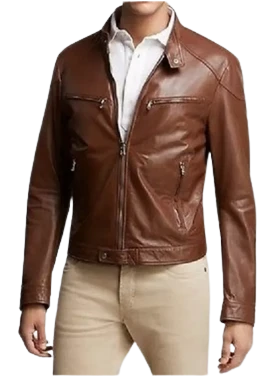
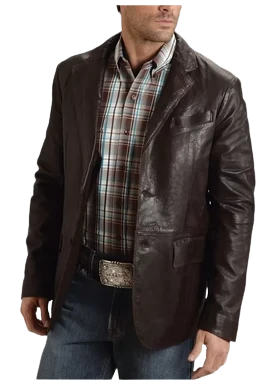
Leather jackets come in various styles, from classic biker jackets to sophisticated bomber designs. Each type of leather, whether it's cowhide, lambskin, or goatskin, has its own characteristics that influence how it breaks in. For instance, cowhide is sturdy and may require more time to soften, while lambskin is supple and molds quickly to your body.
Preparing Your Leather Jacket
Before embarking on the break-in journey, ensure your jacket is in optimal condition. Inspect it for any defects, such as loose threads or scratches, and address them promptly. Cleaning the leather with a mild leather cleaner and conditioning it with a high-quality leather conditioner will nourish the material, making it more receptive to the break-in process.
Methods for Breaking in a Leather Jacket
- Wearing
it frequently:
The simplest and most effective method is wearing your jacket regularly. As you move, the leather stretches and conforms to your body, gradually becoming more comfortable.
- Using
leather conditioning products:
Apply a small amount of leather conditioner to stiff areas, such as the collar or cuffs, and massage it in with a soft cloth. Conditioning helps soften the leather and prevents it from drying out and cracking.
- Applying
heat and moisture:
Steam from a hot shower or a garment steamer can help relax the leather fibers, making it easier to break in. Avoid direct heat sources like hairdryers, as they can damage the leather.
- Massaging
and flexing the leather:
Focus on areas that experience the most movement, such as the elbows and shoulders. Gently massage and flex the leather to encourage suppleness and reduce stiffness.
Tips for a Smooth Break-In Process
Patience is key when breaking in a leather jacket. Start with short wearing sessions to allow the leather to adapt gradually. Avoid aggressive stretching or bending, as this can lead to permanent damage. Instead, let the natural movements of your body work their magic over time.
Common Mistakes to Avoid
- Overconditioning the leather, which can cause it to become too soft and lose its shape.
- Using harsh cleaning agents or abrasives that strip the leather's natural oils and color.
- Neglecting regular maintenance, such as cleaning and conditioning, after breaking in the jacket.
Maintaining Your Broken-In Leather Jacket
Once your jacket is comfortably broken in, maintain its condition by following a regular care routine. Clean it with a damp cloth and mild soap as needed, and condition it every few months to keep the leather supple and hydrated. Store your jacket in a cool, dry place away from direct sunlight to prevent fading and drying.
Conclusion
Breaking in a leather jacket is a labor of love that yields a garment uniquely tailored to you. With patience, care, and the right techniques, you can enjoy a perfectly fitting and personalized jacket that ages gracefully with you.
FAQs
1. How long does it take to break in a leather jacket?
The time it takes to break in a leather jacket varies depending on factors such as the type of leather, the frequency of wear, and the methods used. Generally, it can take a few weeks to several months for a leather jacket to fully conform to your body and feel comfortable.
2. Can I use a hairdryer to speed up the breaking-in process?
While using a hairdryer on a low setting can help soften stiff areas, it's essential to use caution as excessive heat can damage the leather. It's best to rely on natural wear and conditioning methods for a gradual and safe break-in process.
3. Will breaking in a leather jacket affect its lifespan?
Breaking in a leather jacket properly can actually enhance its lifespan. By allowing the leather to mold to your body naturally, you reduce the risk of overstretching or damaging the material, prolonging the jacket's durability and appearance.
4. Can I break in a leather jacket that's too small or too big?
It's challenging to break in a leather jacket that is significantly too small or too big, as the fit plays a crucial role in the break-in process. It's recommended to choose a jacket that fits well from the start, allowing for minor adjustments as needed.
5. Are there specific products recommended for breaking in leather jackets?
While there are many leather conditioning products available, it's essential to choose ones specifically designed for leather garments. Look for products that are free from harsh chemicals and provide nourishment and protection for the leather.
Comments: 0
Leave a Reply
Leave a Reply
No comments

Custom Made Leather Clothing Shop for Men and Women © 2026
